
 The exponential rise in the use of technology on a global scale is resulting in the creation of technologies that are changing the world for better. One of the most significant issues for the world today is the increasingly harmful impact of humans on the environment as a whole. One of the primary reasons behind such problems is the process of creating electricity. The traditional ways of generating electricity are harmful to the environment in many ways. To overcome these issues, many new ways of creating electricity more sustainably are emerging. One such method is the use of wind turbines. They can generate cheap electricity without harming the environment. What if we tell you that you can create your wind turbines to get unlimited free electricity? Read on, and by the time you reach the end of this article, you will know how to make your wind turbine to create electricity.
What is a wind turbine?
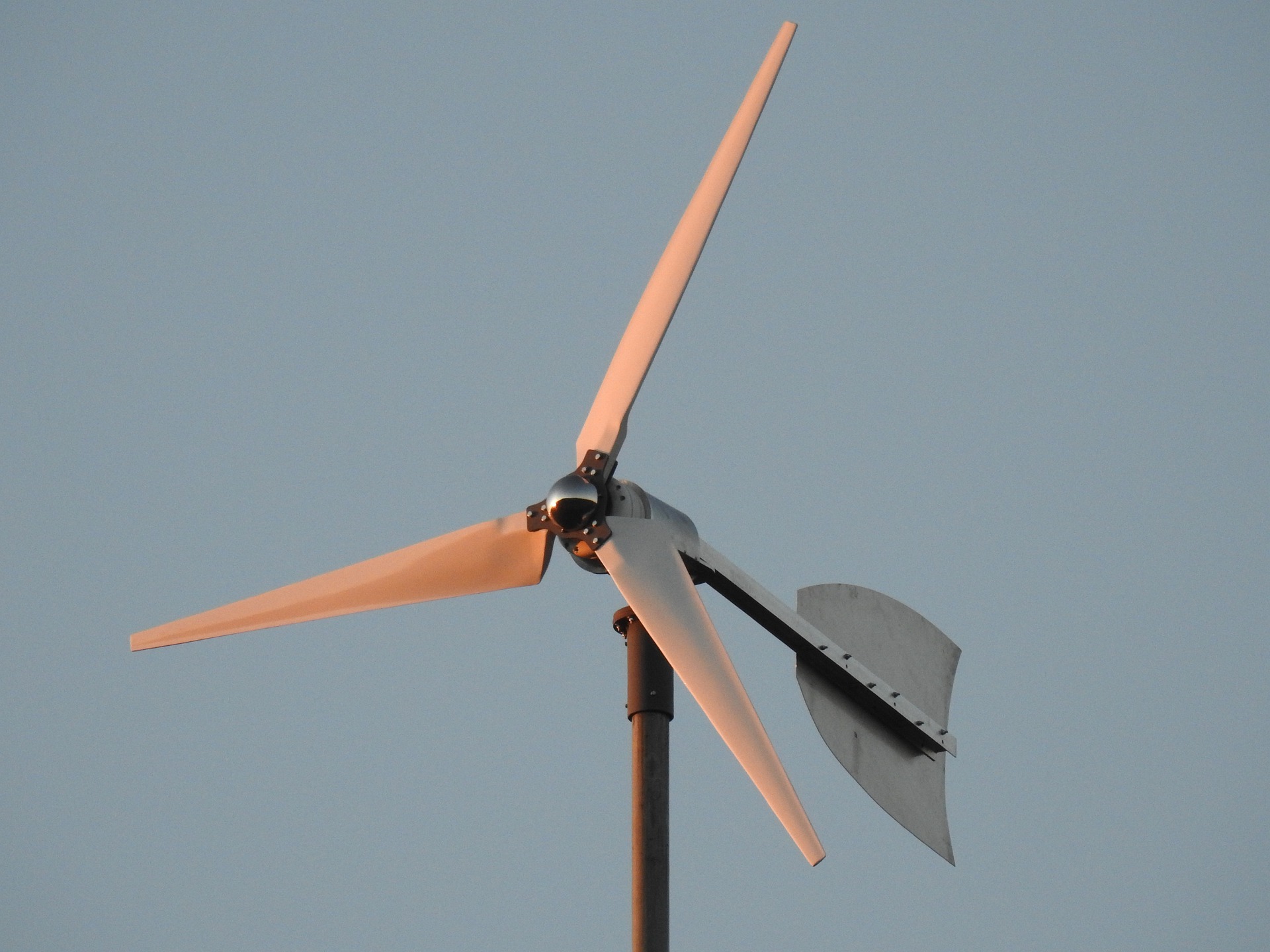
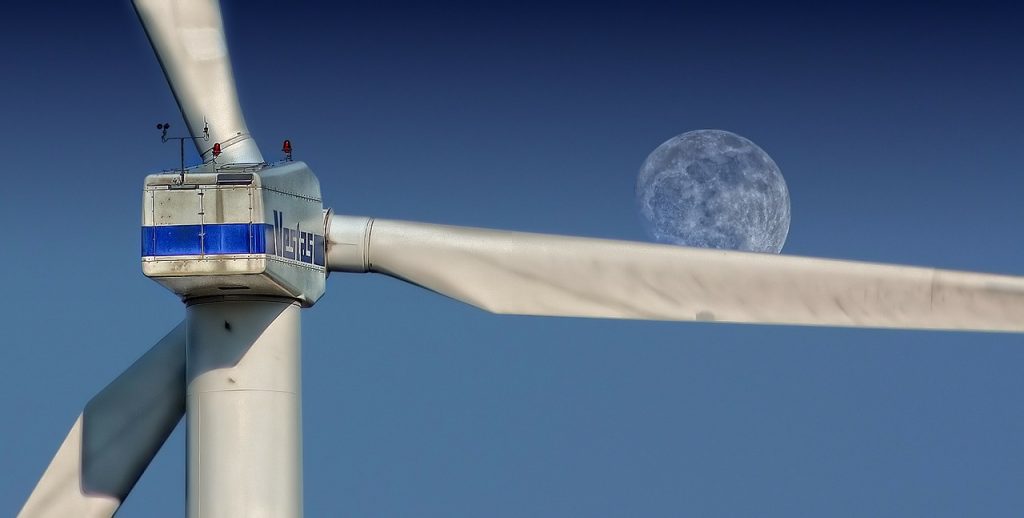
Firstly, you must know what a wind turbine is. Wind turbines render the use of strong winds to turn turbines which create electricity. Naturally, the bigger a wind turbine is, the higher is the electricity it produces. If you are looking to make your wind turbine, you must know about the right size to power your house.
Wind turbine needed to power a house
The size of the wind turbine that suits you is dependent on your needs. Turbines have a size distribution of 20 Watts -100 Kilowatts (kW). The small turbines are usually applicable for charging batteries for small appliances or vehicles that require minimal energy. However, the bigger turbines that range from 1-10 kW can be suitable for pumping water out of the ground. Wind energy has always been one of the primary sources to pump water out of the land. Even though mechanical turbines are a viable option for pumping out water in areas where wind is low, farmers are now shifting towards wind turbines because they are versatile, and they can double the pumping for the same amount of time.
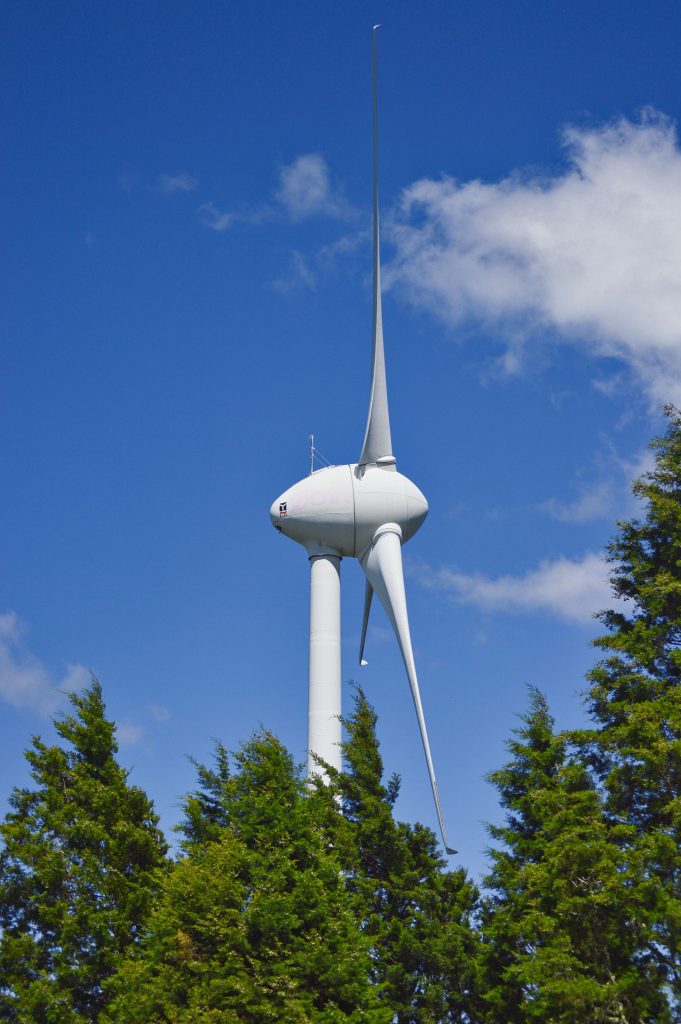
An average household usually consumes about 11,000 kWh of electricity annually. According to the local wind speed, a 15 kW wind turbine would be enough to provide the power for an average household. The information regarding how much energy the windmill can produce is available with the manufacturer or the supplier of the wind turbine. Moreover, the manufacturer can also tell you the maximum speed which the turbine can sustain without taking any damage.
Conclusion
Now that you know what a wind turbine is, how it operates, and which type of wind turbine you will need to power a house for a year, you can easily make an informed decision regarding which size of the wind turbine you should purchase. This way, you can easily save the different costs that you previously incurred due to the consumption of electricity. Now you have a free source of unlimited electricity!